
"acidity in roasted coffee"
20000 article(s) found

What is the difference in flavor between light-roasted and deep-roasted coffee beans? Understand the basic concepts in 2 pictures
Professional coffee knowledge exchange more information about coffee beans Please follow the coffee workshop (Wechat official account cafe_style) coffee beans will change in different roasting stages. After the raw coffee beans absorb heat, the color changes from green to yellow, and the moisture content of beans begins to decrease. Heat converts the water inside the coffee bean into steam, which produces carbon dioxide inside the coffee bean, and the internal pressure of the coffee bean reaches 2.

Sour coffee explains the relationship between roasting degree and PH value
Most people mistakenly think that coffee is sour if it is not fresh, and sour coffee is not good. This is really a great smear and misunderstanding! In fact, coffee itself is an acidic beverage. Whether coffee is sour or not depends on the baking degree of beans. The longer the baking time is, the higher the caramelization degree is, and the more acidic substances are destroyed, the less sour it is, and the shorter the baking time is, the lower the caramelization degree is.

Simple understanding of roasting of coffee beans and attention should be paid to preservation conditions
The roasting of coffee beans is the process of converting coffee from raw beans to ripe beans, which is generally divided into eight stages: very shallow roasting (LIGHT Roast), shallow roasting (CINNAMON Roast), micro roasting (MEDIUM Roast), medium roasting (HIGH Roast), medium and deep roasting (CITY Roast), deep roasting (FULL-CITY Roast), very deep roasting (FRENCH Roast), and very deep roasting (ITALIAN).
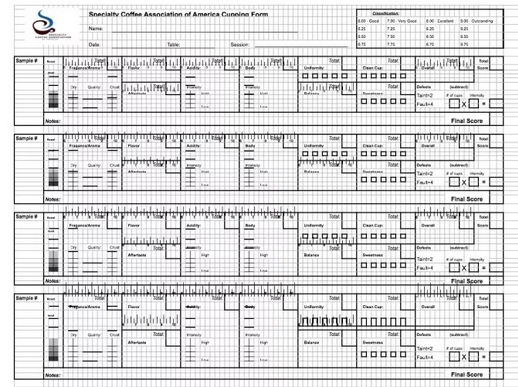
How to pass the Q-grader exam (3) there are 8 major items, a total of 20 subjects
SCA Cup Test form if you sign up for the Q grader test, you should already know how to use the SCA cup test form correctly. In order to practice this part of the test, it is recommended that you test a large number of cups of coffee from different places and different processing methods. You should understand the flavor of coffee in different regions and how these flavors are expressed in the cup test. Pay attention to find coffee you don't know.

What is the chemical reaction in the roasting process of coffee beans? What is the thermal decomposition reaction of coffee beans during roasting
Professional coffee knowledge exchange more coffee bean information please follow the coffee workshop (Wechat official account cafe_style) what are the chemical reactions in the roasting process of coffee beans? What is the thermal decomposition reaction of coffee beans during roasting? After roasting at high temperature, coffee beans will produce a variety of charming aromas and flavors, mainly because of the chemical reactions that take place inside the beans during roasting.

Coffee roasting knowledge: coffee roasting degree resolution chart
American Coffee Association (SCAA) roasting standard this standard uses infrared caramelization tester technology (Agtron) to measure the color of coffee beans to determine the roasting degree of coffee, and the color is divided into eight equal parts into eight standard color blocks for coffee industry as roasting identification. The above colors are for reference only according to the roasting degree preferred by each country. This is also coffee roasting.
Several acids in roasted coffee
For coffee drinkers, coffee should not be thought to be alkaline because it contains caffeine (alkaloids), nor should it be thought to be acidic because it contains a lot of acid. It is believed that coffee is neutral after being metabolized by the human body.

Origin of Nicaraguan coffee beans
Caffeine: it has a particularly strong bitter taste and stimulates the central nervous system, heart and respiratory system. Appropriate amount of caffeine can also reduce muscle fatigue and promote digestive juice secretion. Because it promotes kidney function, it is diuretic and helps the body to expel excess sodium ions from the body. But eating too much can lead to caffeine poisoning. Tannic acid: boiled tannic acid will be decomposed into pyrouric acid

Relationship between roasting degree and PH value of Fine Coffee
Most people mistakenly think that coffee is sour if it is not fresh, and sour coffee is not good. This is really a great smear and misunderstanding! In fact, coffee itself is an acidic beverage. Whether coffee is sour or not depends on the baking degree of beans. The longer the baking time is, the higher the caramelization degree is, and the more acidic substances are destroyed, the less sour it is, and the shorter the baking time is, the lower the caramelization degree is.
Coffee knowledge Fine coffee beans roasting processing
Roasted coffee beans peeled: the use of mechanical methods to remove the peel and most of the pulp fermentation drying Roasting: coffee beans through roasting, can release the special aroma of coffee, each coffee bean contains its aroma, sour, sweet, bitter, how to fully release depends on its roasting temperature, from the tasteless raw beans, to the cup of endless flavor

Misunderstanding: why does the coffee we drink taste sour?
In recent years, more and more people like to drink coffee, and they also know more and more about the taste, aroma and taste of coffee. In the past, we must have often heard the older generation say: coffee must not be sour! Coffee is shoddy as long as it is sour! Or something like that. Of course, from the current point of view, sour coffee = shoddy coffee has long been an impractical and incorrect concept.
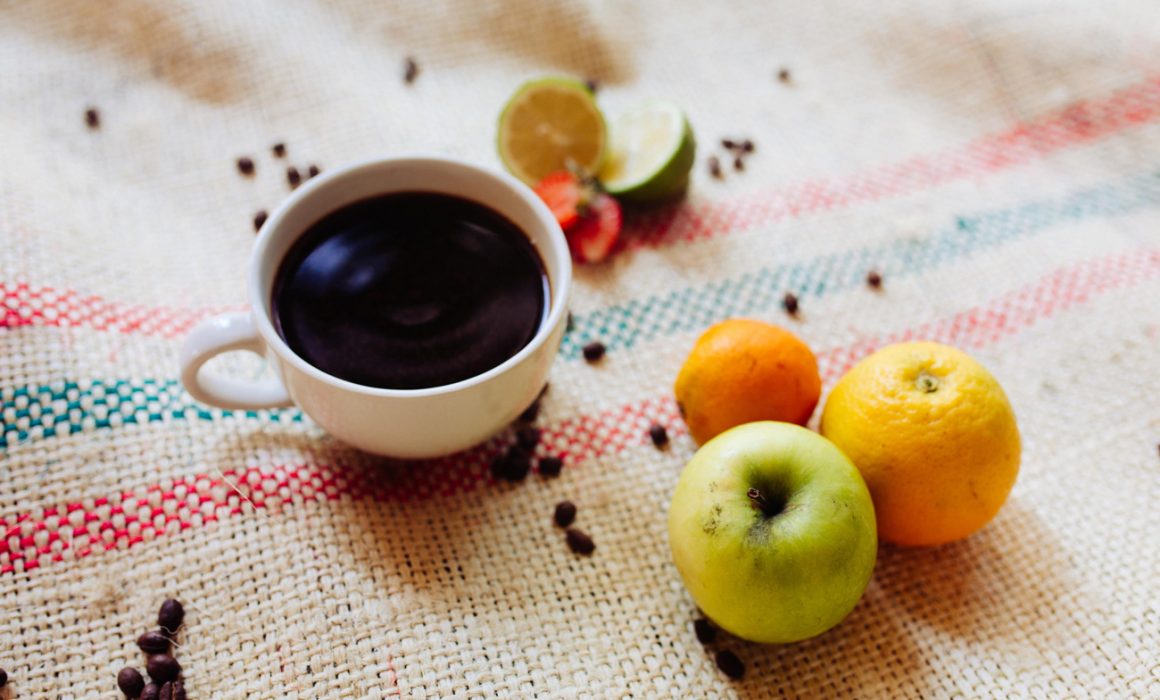
Why is boutique coffee so sour? Talk about the baking chemical changes and flavor levels of coffee beans
Professional coffee knowledge exchange more coffee bean information Please follow the coffee workshop (Wechat official account cafe_style) after drinking boutique coffee, what do you think is the biggest difference between boutique coffee and ordinary coffee? The editor thinks it's sour. It's not that fine coffee has to be sour, nor does it mean other coffee.

The significance and differences of different baking degrees the characteristics of shallow baking, medium baking and deep baking
Light roasted coffee is light brown, the surface does not have luster or grease, and the baking time is not long enough to develop more substances. The roasted beans have some smooth and dark lines on the surface and are roasted to the point in the early stage of the explosion. The name comes from the popping sound of coffee beans when baked to about 205 degrees Celsius. When the temperature rises, the beans will expand, and the temperature will also make the beans.

Light roast is not the roast standard for fine coffee
Pay attention to coffee reviews (Weixin Official Accounts vdailycom ) and find that a beautiful coffee shop opens its own shop. Coffee lovers who have just started roasting always ask a question: Do fine coffee beans need to be lightly roasted? And cited the United States, Europe, Australia, many well-known brands of coffee are lightly roasted, which led to the above conclusions. Historically, shallow.

Why does the coffee we drink taste sour?
Professional barista communication Please pay attention to the coffee workshop (Wechat official account cafe_style) in recent years, more and more people like to drink coffee, and more and more people know how to pay attention to the taste, aroma, taste and other aspects of coffee. In the past, we must have often heard the older generation say: coffee must not be sour! Coffee is shoddy as long as it is sour! Or something like that. Of course, from the current point of view,
The concept and principle of Coffee Baking
As the name suggests, roasting is to provide heat to coffee beans, causing a series of chemical changes inside.
Simple understanding of roasting of coffee beans and attention should be paid to preservation conditions
The roasting of coffee beans is the process of converting coffee from raw beans to ripe beans, which is generally divided into eight stages: very shallow roasting (LIGHTRoast), shallow roasting (CINNAMON Roast), micro roasting (MEDIUM Roast), medium roasting (HIGHRoast), medium and deep roasting (CITY Roast), deep roasting (FULL-CITY Roast), very deep roasting (FRENCHRoast), and very deep roasting (ITALIAN Roa).

Initial processing and roasting of coffee
The harvest time is different in different countries and regions. The harvest process requires a lot of manpower, especially high-quality selected coffee, which can only pick fully ripe red coffee cherries.
Roasting determines coffee taste Coffee Roasting basics
Generally, each coffee cherry contains two green beans, and the aroma is still hidden, waiting to be discovered. In raw beans, there is a lot of chloric acid. As it bakes, the chloric acid disappears, releasing familiar and pleasant fruit acids such as acetic acid, citric acid, and malic acid found in wine. Baked properly, these beautiful sour taste can be moderately presented; conversely,